My First Ham Radio Station: An Old Yaesu and a Car Battery
Two old radios from a late amateur’s collection helped me get on the air more often and become part of the local radio community.
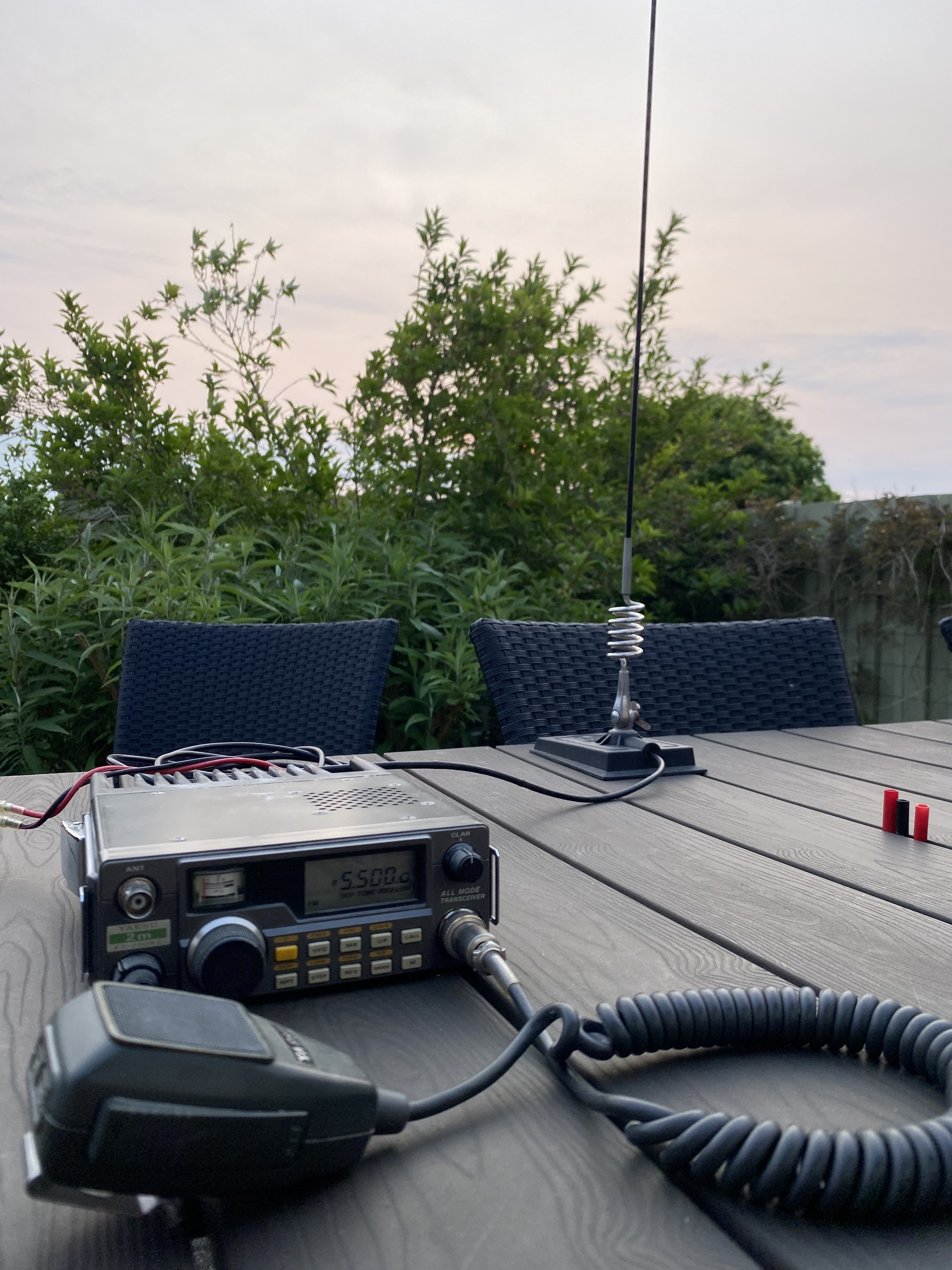
My first station beyond a handheld was an old Yaesu FT-290R Mark II, a magnetic-mount antenna and a 12-volt car battery. I connected the power with crocodile clips, attached the antenna and tried the radio. When another amateur answered, I had the pleasure of knowing that this simple collection of equipment could get me on the air.
I had been licensed for some time by then, but that little station helped turn an occasional interest into a hobby I wanted to spend more time with.
A licence in 2018, followed by a modest start
I earned my amateur radio licence in Denmark in 2018. For several years, most of my operating was on small VHF and UHF handheld radios with short antennas. Now and then, I would talk to other local amateurs through nearby repeaters.
I enjoyed those conversations, but I had no permanent radio shack or substantial antenna installation. Amateur radio was something I took part in occasionally, rather than something I spent time on every day. I was still finding my way into the hobby and working out what I could do with the equipment I had.
A Facebook post and two Yaesu radios
One day, I noticed a Facebook post from a woman in a nearby town. Her brother had been a radio amateur and had sadly passed away. She was inviting people to come and look at his collection of radio equipment.
Radios, antennas, cables and electronic components caught my interest, so I went to have a look. By the time I arrived, some of the more advanced radios had already found new owners, but there was still equipment there that interested me.
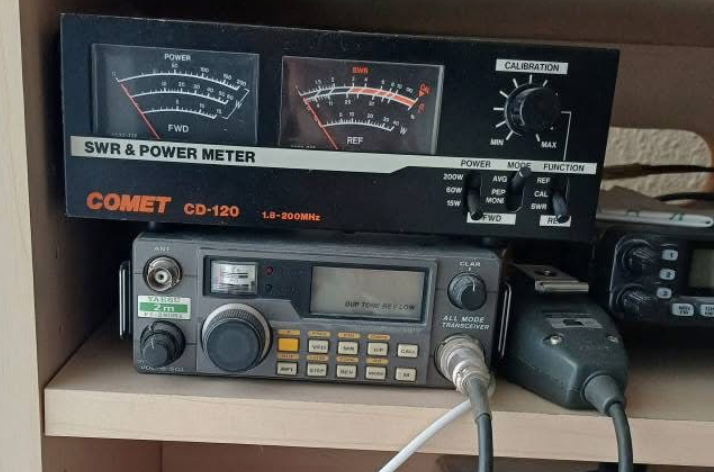
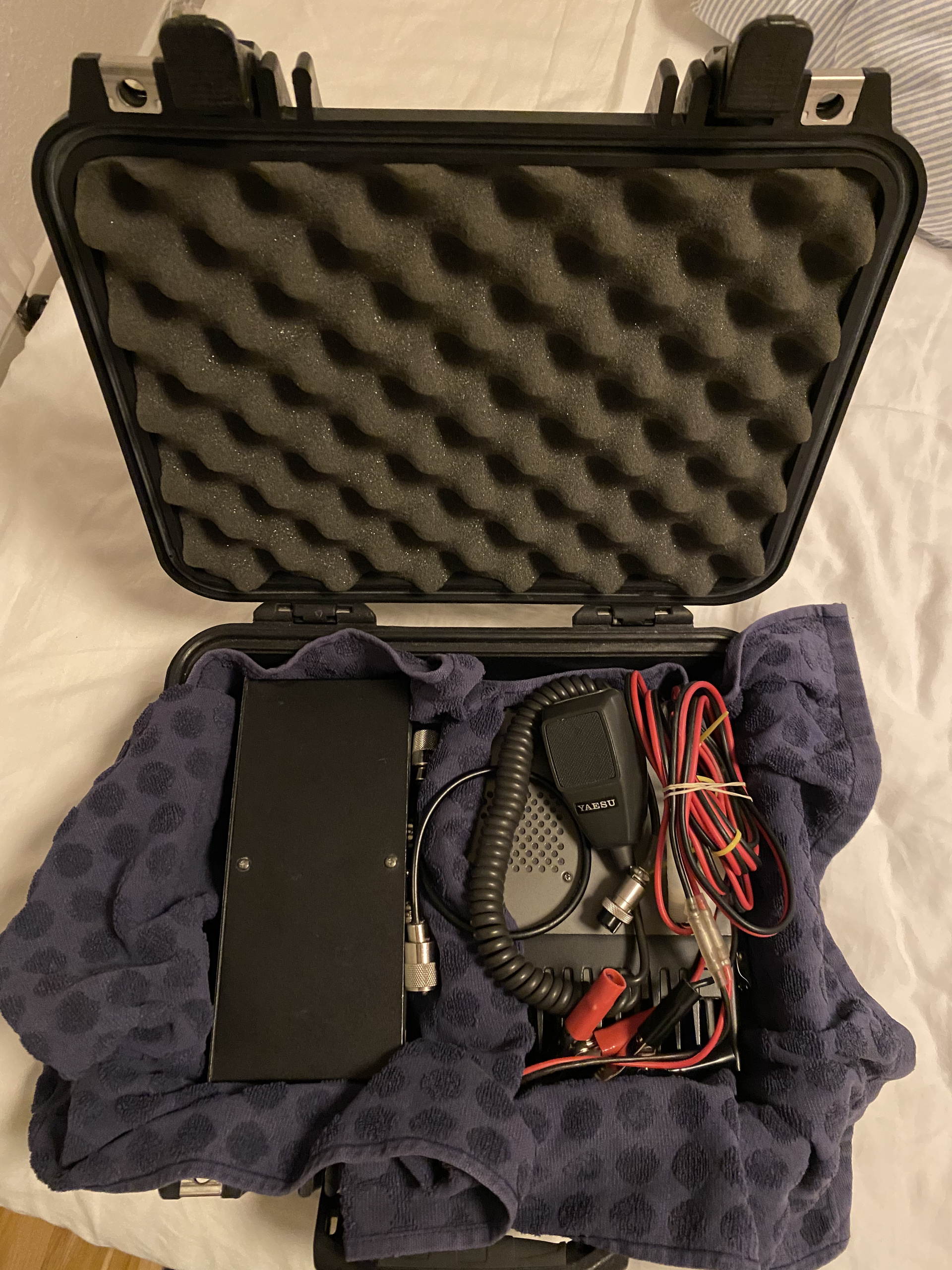
I brought home a Yaesu FT-7900R, a mobile VHF/UHF transceiver, and an older Yaesu FT-290R Mark II, a portable 2-metre multimode radio. There were also old magnetic-mount antennas, coaxial cables and a collection of useful small parts.
Connectors, crocodile clips, BNC connectors and PL-259 plugs all came home with me. An experienced operator might have seen an ordinary assortment of spare parts. To me, it was a small treasure chest, with possibilities I was keen to try.
Getting the FT-290R on the air
Once I was home, I wanted to try the FT-290R Mark II. I did not have a suitable power supply, so I used a 12-volt car battery and some of the crocodile clips. With a magnetic-mount antenna connected, I had a station I could use.
The radio worked, and I started making contacts. It was satisfying to hear someone reply through equipment that was already decades old. I had brought it home, worked out the connections and put it back into use.
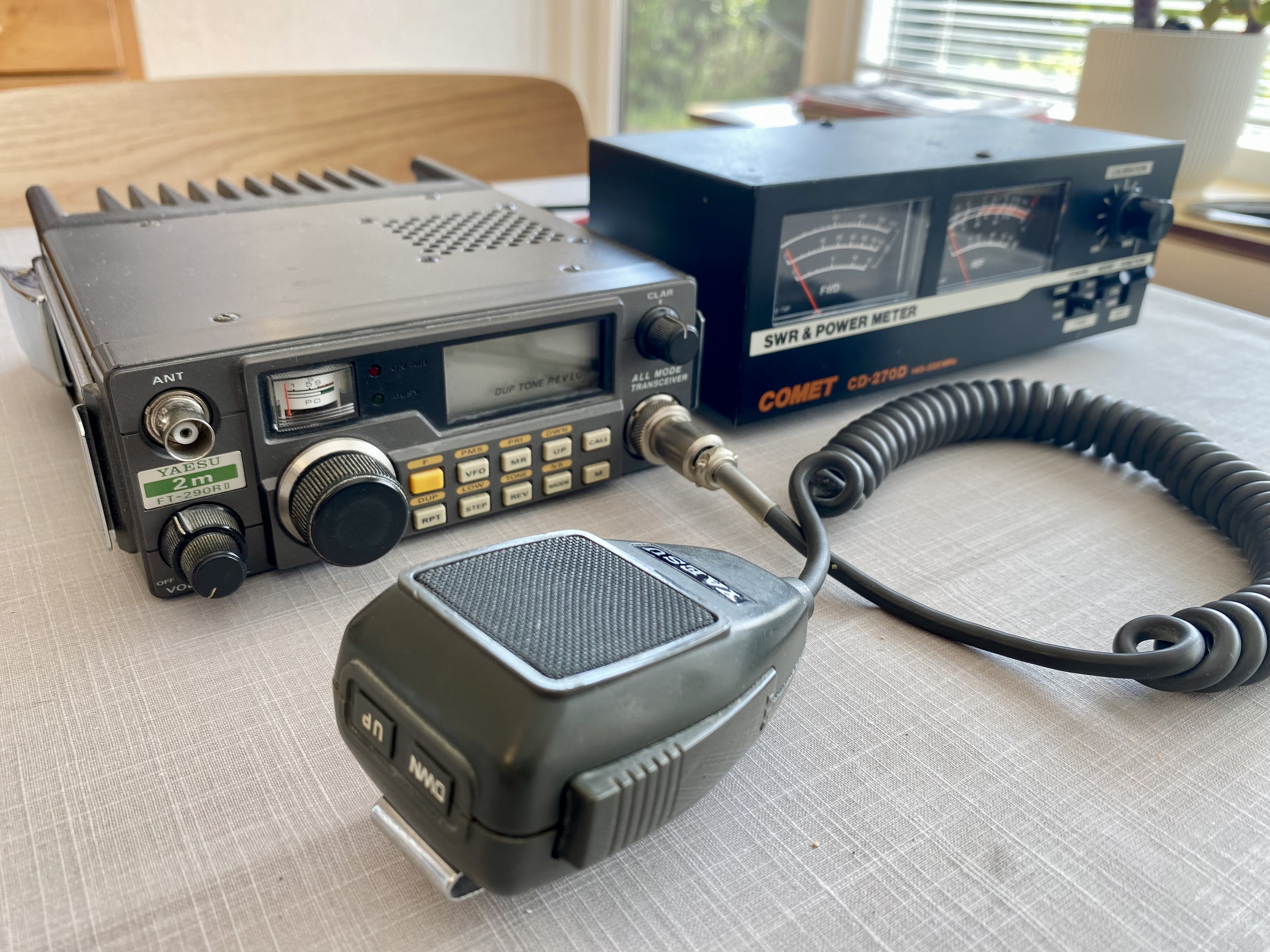
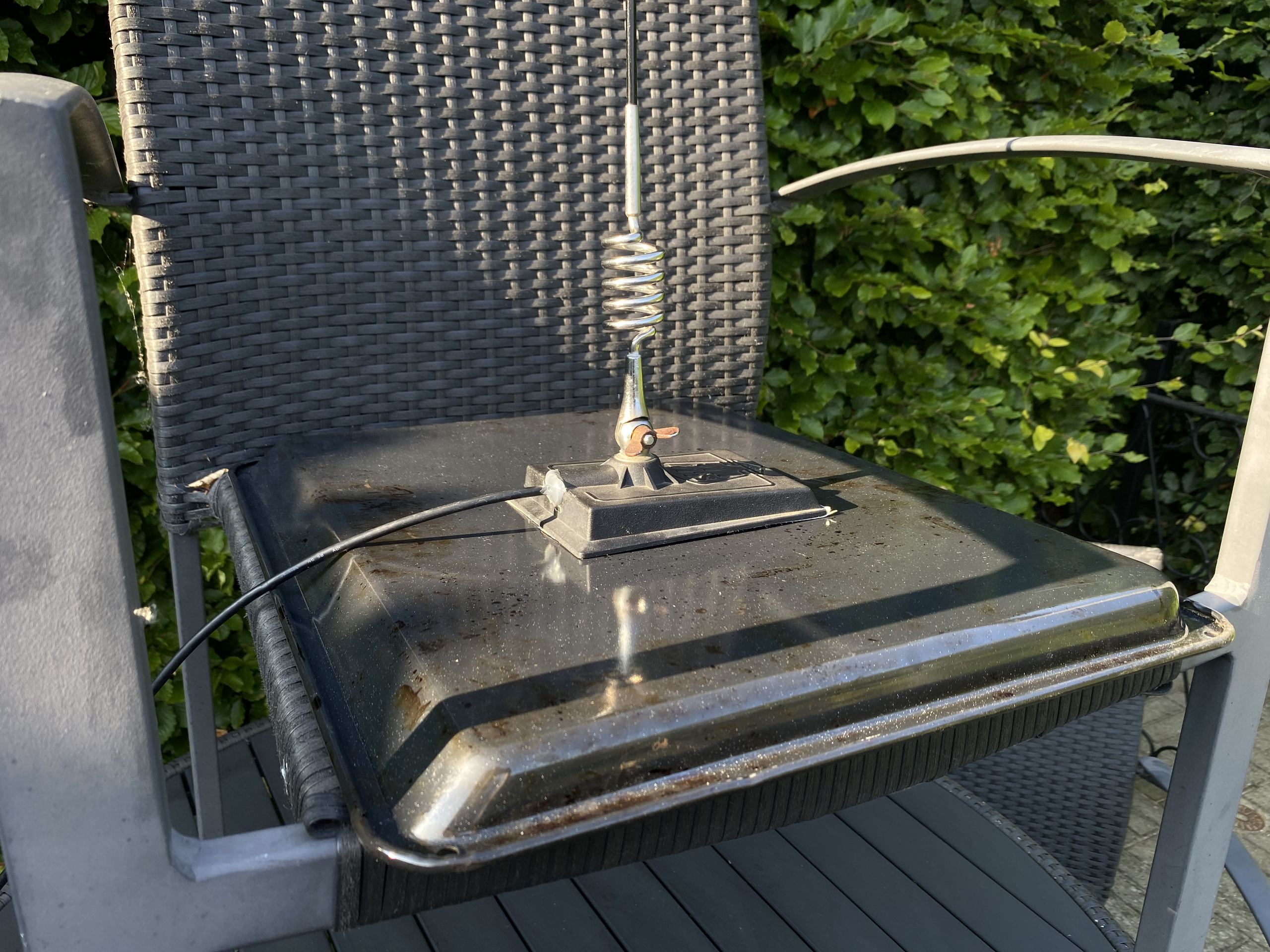
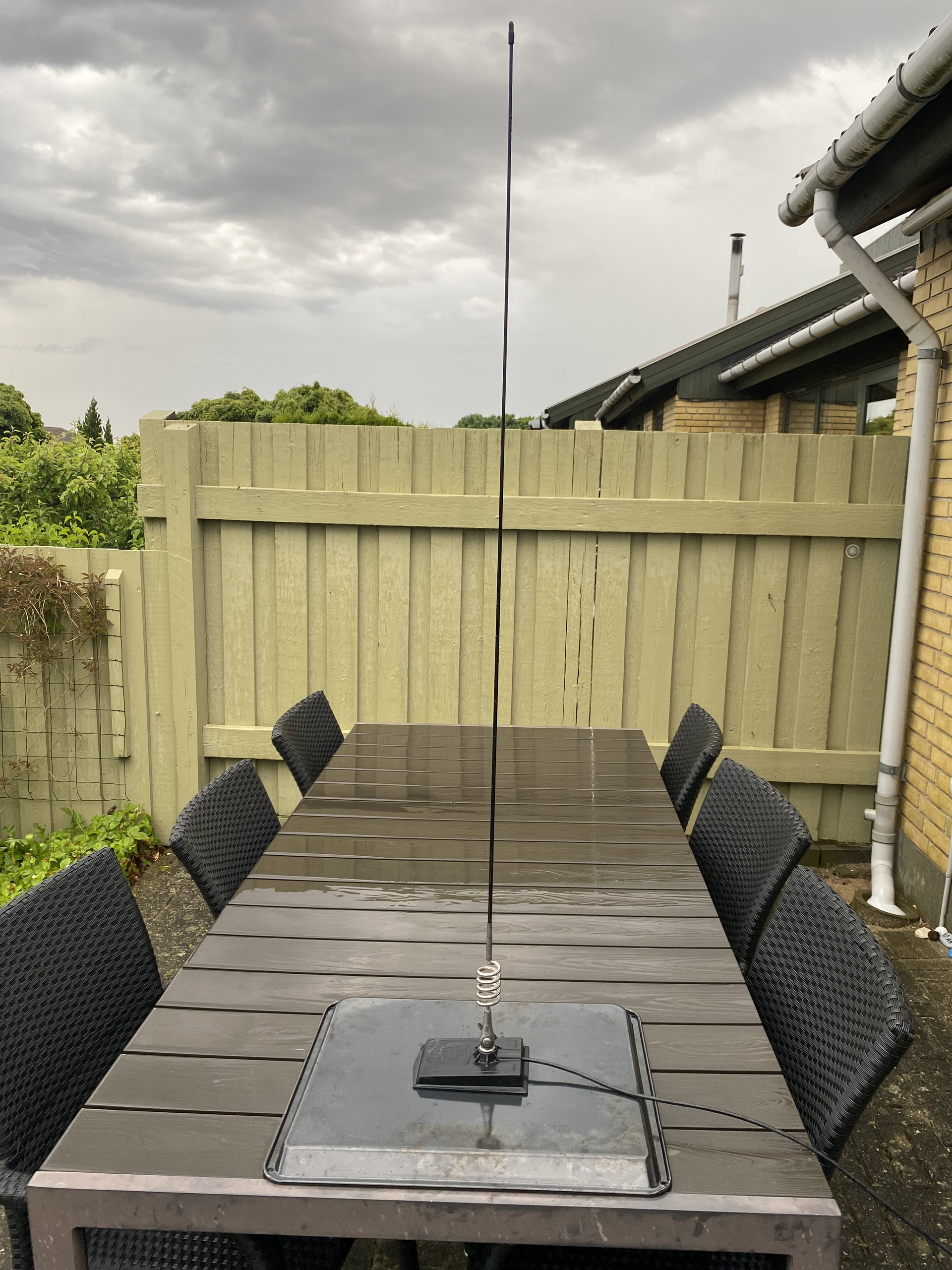
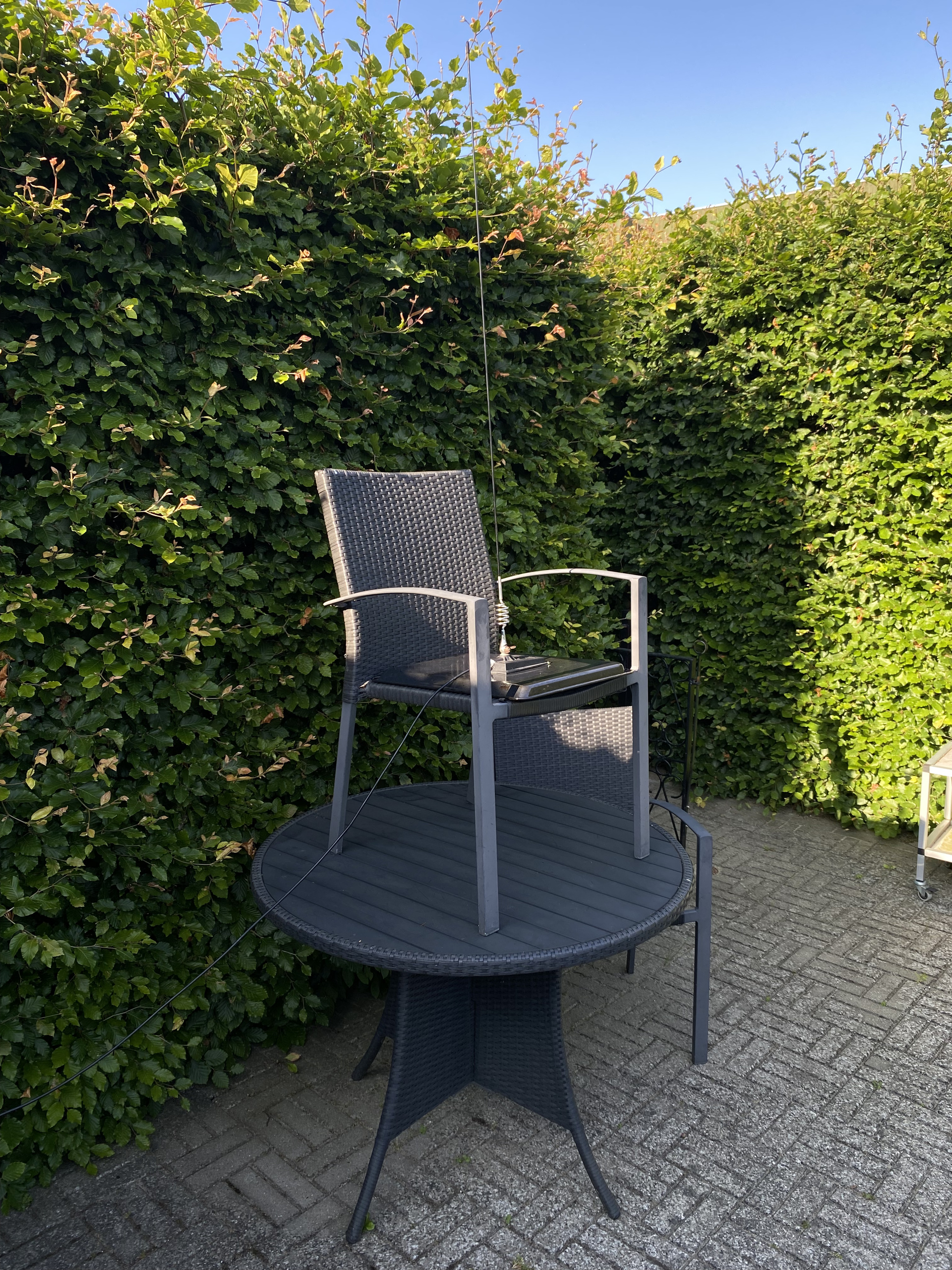
Outdoors, I put the magnetic-mount antenna on a metal baking tray. The radio, cables and SWR meter were part of a portable setup that I could put out when I wanted to operate, then pack away afterwards.
Friday evenings on 145.500 MHz
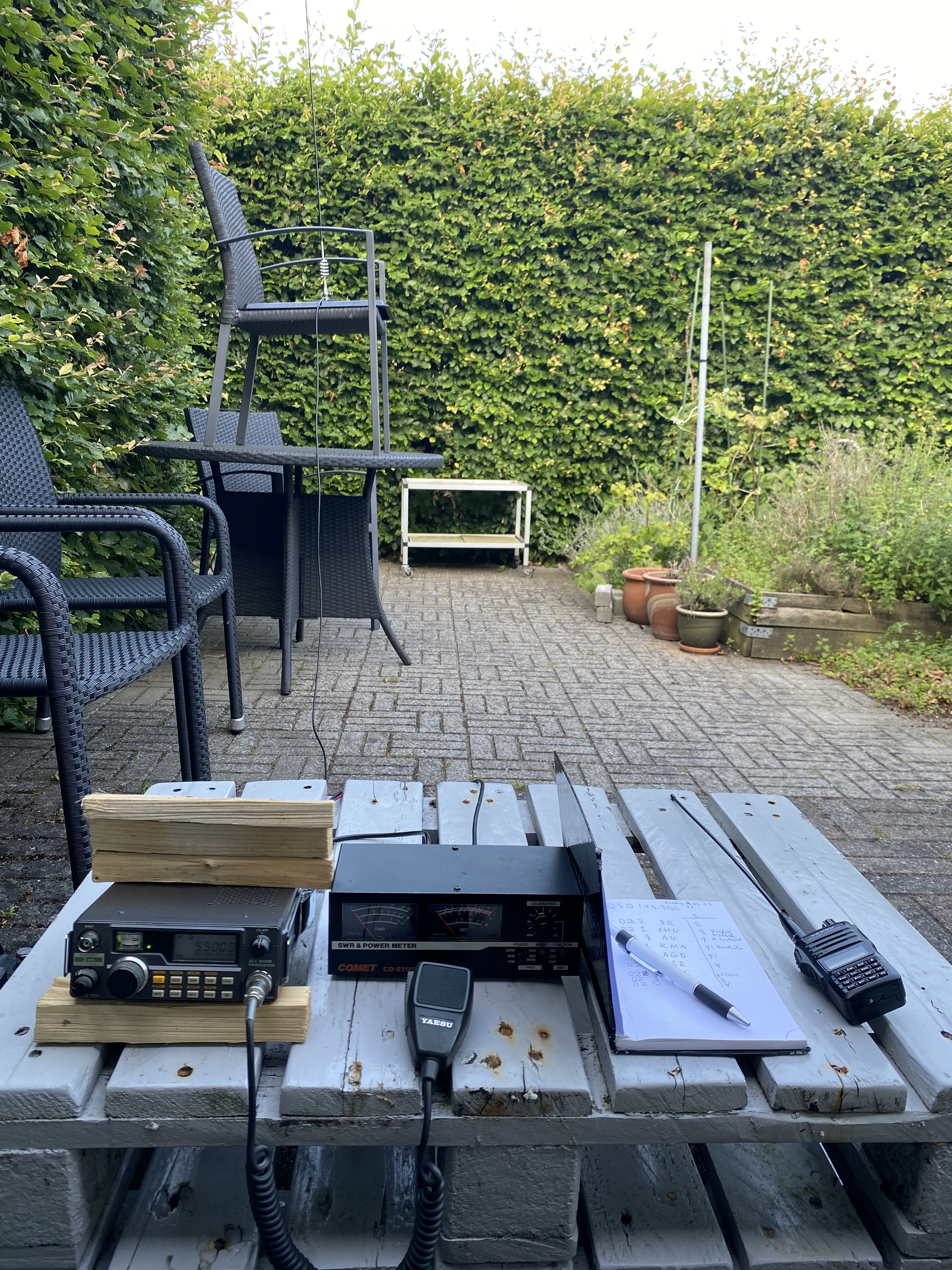
Without a permanent place for the equipment, operating always began with getting the equipment out and connecting everything. One regular reason to do that was our local Friday QSO. Every Friday at 19:00 local time, radio amateurs in the area would call on 145.500 MHz for a friendly conversation.
It was a relaxed way to practise operating and become part of the local amateur radio community. The FT-290R Mark II let me join in, and I enjoyed having a regular occasion to use it. When the conversation was over, I would disconnect the station and put everything away again.
Passing the radio on
My interest in amateur radio has grown since those early days, and I have explored more of the hobby. Some of that later experience is part of the story behind QSO Transcriber. I still remember the excitement of bringing those radios home and hearing someone answer my call. For the local contacts I wanted to make, that modest setup was enough.
After several years with the FT-290R Mark II, I gave it and the magnetic-mount antenna to a new radio amateur who had joined our local club. I liked the thought that the equipment which had helped me get started could now help someone else.
That is the part of this story I value most. The radio had belonged to an amateur who was no longer with us, then given me many enjoyable moments on the air. Now another operator had the chance to use it. I hope he gets as much pleasure from that old Yaesu as I did.
73 de Poul, OV9PL
Denmark